
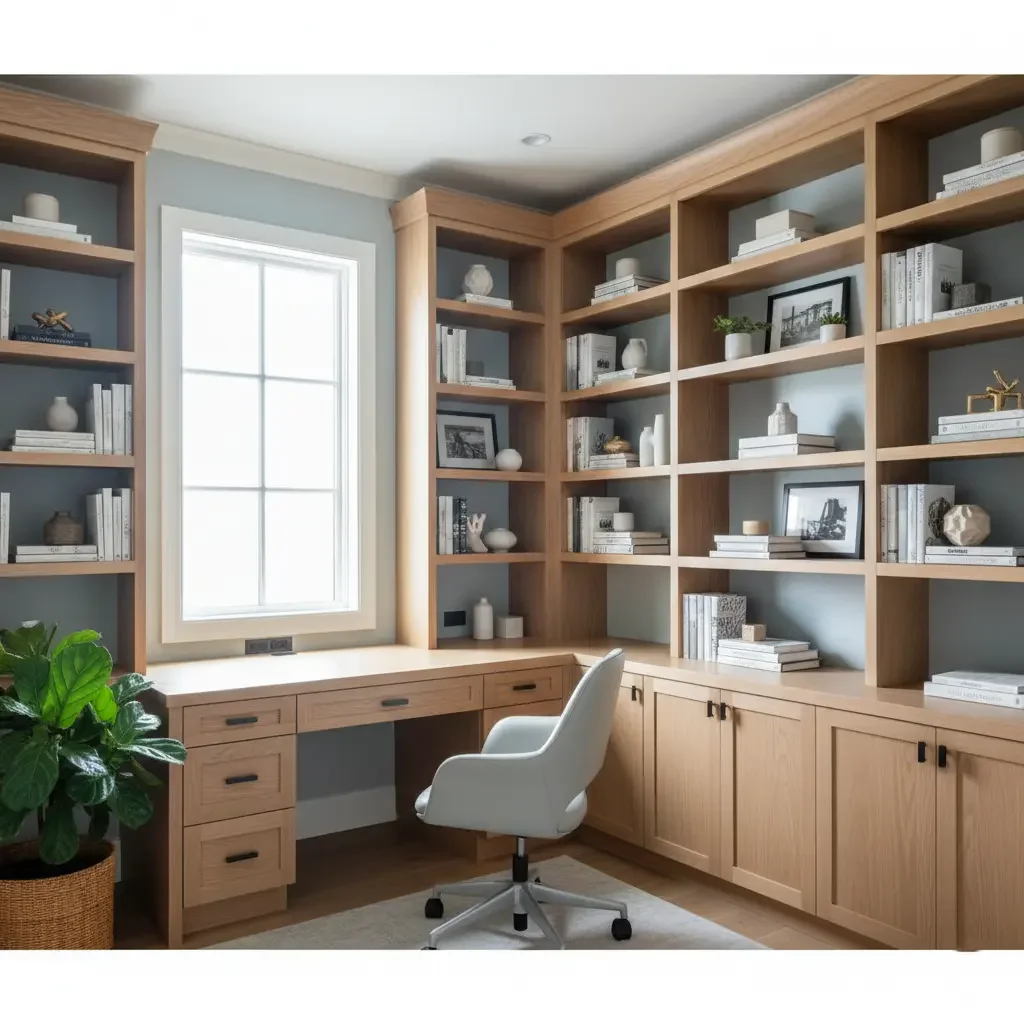
The shift toward remote and hybrid work has transformed how homeowners approach office design. Home offices are no longer afterthoughts or temporary setups—they are permanent workspaces that must support productivity, organization, and professional presence. Home office furniture sets play a central role in creating environments that balance function with comfort, yet many standard solutions fall short of meeting individual needs.
Mass-produced furniture often requires compromises in fit, storage capacity, or visual cohesion. Custom woodwork addresses these limitations by designing office furniture around how each person works, the equipment they use, and the space they have available. Tailored solutions improve layout efficiency, enhance ergonomics, and create workspaces that remain functional and visually refined over time.
This guide explores how custom woodwork elevates home office furniture sets through better design, material quality, and long-term adaptability.
Why Home Office Furniture Sets Matter More Than Ever
A well-designed office setup directly influences focus, organization, and daily efficiency. When furniture supports natural workflow and keeps essentials within reach, tasks feel less burdensome, and distractions decrease. Conversely, poorly planned furniture can create physical discomfort, visual clutter, and frustration that compounds throughout the workday.
Mass-produced office furniture is designed for broad appeal rather than individual requirements. Standard desk heights may not accommodate taller or shorter users comfortably. Prefabricated storage often includes generic compartments that do not align with actual storage needs, leading to wasted space or overflow clutter. Cable management solutions, when present, are typically minimal and leave cords visible.
Craftsmanship and thoughtful design become particularly important in spaces used daily for extended periods. Furniture constructed from quality materials with precise joinery maintains structural integrity under regular use. Thoughtfully planned layouts reduce strain and support better posture, contributing to long-term comfort and sustained productivity.
What Defines a Home Office Furniture Set
Home office furniture sets typically include several coordinated components that work together to support professional tasks.
Common elements include:
Desk: The primary work surface for computers, documents, and daily tasks
Storage cabinets: Enclosed spaces for files, supplies, and equipment
Shelving: Open or closed units for books, binders, and reference materials
Bookcases: Vertical storage for larger collections or display items
Filing solutions: Drawers or cabinets designed specifically for document organization
Cohesive design across these components improves both visual harmony and workflow efficiency. When furniture pieces share consistent finishes, proportions, and hardware, the office feels intentional rather than assembled from unrelated elements. This unity reduces visual noise and helps maintain focus.
Matching furniture scale to room size prevents spaces from feeling cramped or underfurnished. Oversized desks in small rooms limit movement and create congestion, while undersized furniture in larger offices can appear disconnected. Properly scaled custom furniture maximizes usable space while maintaining comfortable clearances.
How Custom Woodwork Enhances Home Office Furniture Sets
Tailored Desk Design for Comfort and Productivity
Custom desks can be designed to exact specifications that support individual work styles and physical requirements. Desk height affects posture and comfort significantly—standard heights work for average users, but may cause strain for others. Custom solutions allow for adjustments that align work surfaces with natural arm and wrist positions.
Key considerations for custom desk design:
Adjustable heights: Accommodate sit-stand preferences or multiple users
Extended work surfaces: Provide space for dual monitors, documents, and equipment
Integrated cable management: Conceal wiring through channels, grommets, or built-in raceways
Power solutions: Built-in outlets and USB ports positioned for easy access
Depth and width: Scaled to fit available space while supporting necessary equipment
Custom desks can also incorporate specialized features such as keyboard trays, monitor arms, or task lighting that enhance ergonomics and reduce strain during long work sessions.
Built-In Storage Solutions
Custom office storage transforms how supplies, files, and equipment are organized. Built-in solutions maximize vertical space and eliminate gaps common with freestanding furniture. Drawers and compartments can be sized for specific items, from standard file folders to specialized equipment or reference materials.
Vertical storage becomes especially valuable in smaller offices where floor space is limited. Floor-to-ceiling cabinetry provides substantial capacity without expanding the room's footprint. Overhead cabinets keep less-frequently used items accessible but out of the way, while lower drawers house daily essentials.
Purpose-built compartments reduce clutter by providing dedicated locations for everything from charging cables to office supplies. When items have designated spaces, maintaining organization becomes simpler, and workspaces remain clear for active tasks.
Integrated Shelving and Display Areas
Shelving in home offices serves dual purposes—functional storage and visual presentation. Open shelving provides easy access to frequently referenced books, binders, or materials. It also offers space for personal items or décor that make the office feel less sterile.
Closed cabinets maintain a cleaner appearance by concealing storage that does not need to be visible. This balance between open and closed storage allows for both accessibility and visual control. Documents, archived files, or equipment can be stored behind doors while important references remain in view.
Thoughtful design ensures shelving proportions align with stored items. Adjustable shelves accommodate varying heights, from standard books to oversized binders or decorative objects. This flexibility supports changing needs over time.
Material Quality and Craftsmanship
Solid wood construction offers advantages over particleboard or MDF, commonly used in mass-produced furniture. Hardwoods such as oak, maple, and walnut provide durability that holds up under daily use. Quality joinery techniques ensure structural stability and prevent loosening or failure over time.
High-quality finishes protect surfaces from wear while enhancing the wood's natural character. Durable topcoats resist scratches, moisture, and staining better than basic finishes on budget furniture. This protection extends the furniture's functional life and maintains its appearance with minimal maintenance.
Custom woodwork design emphasizes precision in every detail, from drawer slides to door alignment. Well-constructed furniture operates smoothly, closes securely, and maintains proper function year after year. This craftsmanship represents long-term value that prefabricated options rarely match.
Cohesive Design and Visual Flow
Visual consistency across furniture components creates professional, distraction-free workspaces. Matching wood tones, finishes, and hardware unify the office and reduce visual clutter. This cohesion helps maintain focus by minimizing competing design elements.
Custom furniture can be designed to align with the home's broader interior style, whether traditional, modern, or transitional. This integration ensures the office feels connected to surrounding spaces rather than isolated or mismatched. Consistent millwork details, such as crown molding or baseboard profiles, reinforce architectural continuity.
Home Office Layout Considerations for Custom Furniture
Room size and natural light influence furniture placement significantly. Desks positioned near windows take advantage of daylight, which reduces eye strain and improves mood. However, direct sunlight on screens can create glare, so orientation and window treatments must be considered.
Traffic flow through the office affects daily usability. Furniture should not obstruct doorways or create awkward pathways. Chair clearance behind desks must allow comfortable movement without interference from walls, cabinets, or other furniture.
Multi-purpose spaces require careful planning. Offices that double as guest rooms or hobby areas benefit from furniture that supports both functions without creating visual conflict. Built-in solutions often work better in shared spaces because they integrate cleanly with walls and maintain flexibility in open floor areas.
Storage placement impacts efficiency. Frequently used items should be within arm's reach of the primary work area, while less-used materials can occupy higher shelves or secondary storage zones. Proper planning reduces unnecessary movement and keeps workflows smooth.
Custom Woodwork for Small vs. Large Home Offices
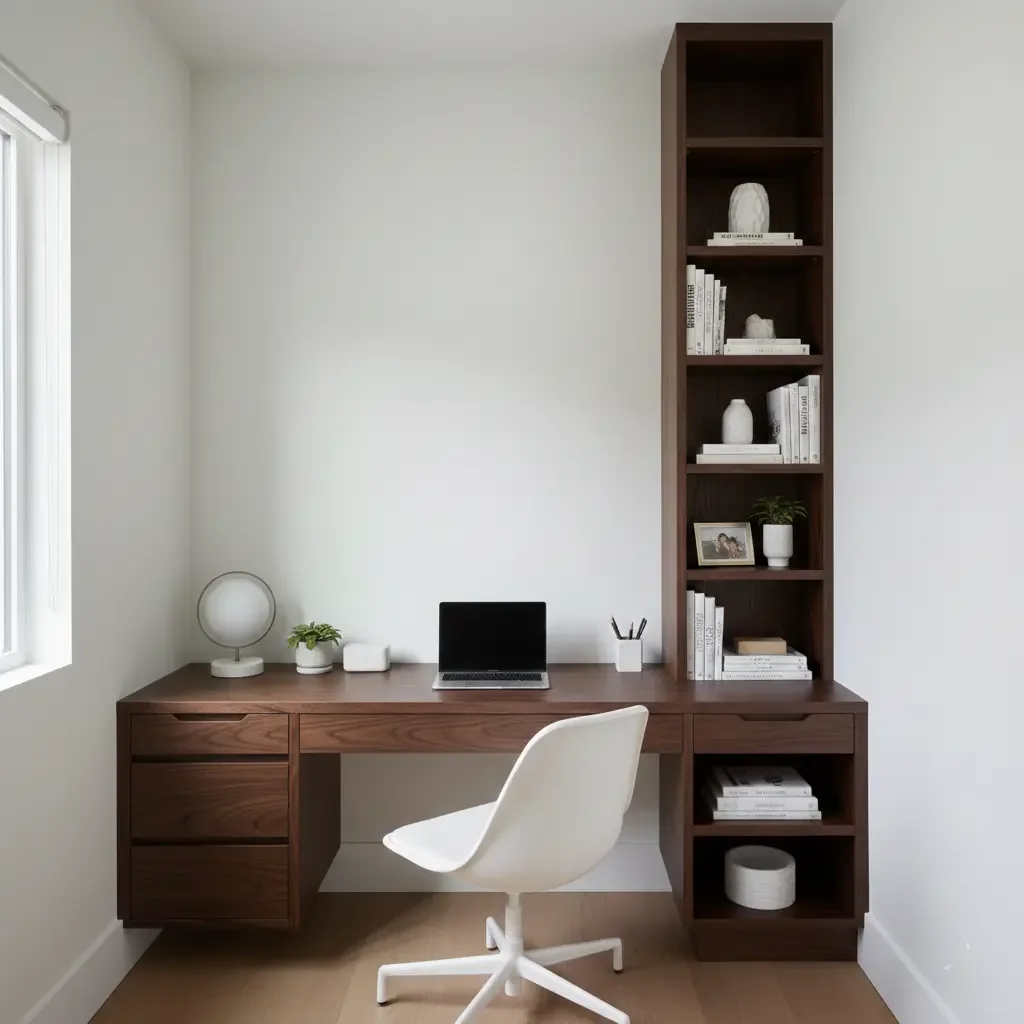
Small Home Office Furniture Sets
Small offices benefit from space-saving designs that maximize functionality without overcrowding. Wall-mounted desks or floating work surfaces preserve floor space and create visual openness. Compact storage solutions can be built into corners, alcoves, or underutilized wall sections.
Built-ins work particularly well in small offices because they eliminate gaps between furniture and walls. This precision creates a finished appearance while maximizing every inch of available space. Vertical storage becomes critical—tall, narrow cabinets or shelving units provide capacity without consuming valuable floor area.
Furniture in small offices should serve multiple purposes when possible. Desks with integrated storage eliminate the need for separate filing cabinets. Shelving that extends above the desk keeps reference materials accessible without requiring additional furniture.
Large Home Office Furniture Sets
Larger offices allow for expansive desk configurations, full-height storage walls, and integrated features such as meeting areas or reading nooks. Custom furniture in these spaces can include L-shaped or U-shaped desks that provide extensive work surfaces and distinct zones for different tasks.
Storage walls offer impressive capacity while maintaining visual organization. Floor-to-ceiling cabinetry with varied compartment sizes accommodates everything from files to equipment to display items. Coordinated finishes and hardware create executive-style offices that feel polished and professional.
Meeting or reading areas can be integrated with built-in seating, bookcases, or small tables that complement the primary workspace. These features support varied work activities and make large offices feel purposeful rather than empty.
Custom vs. Ready-Made Home Office Furniture Sets
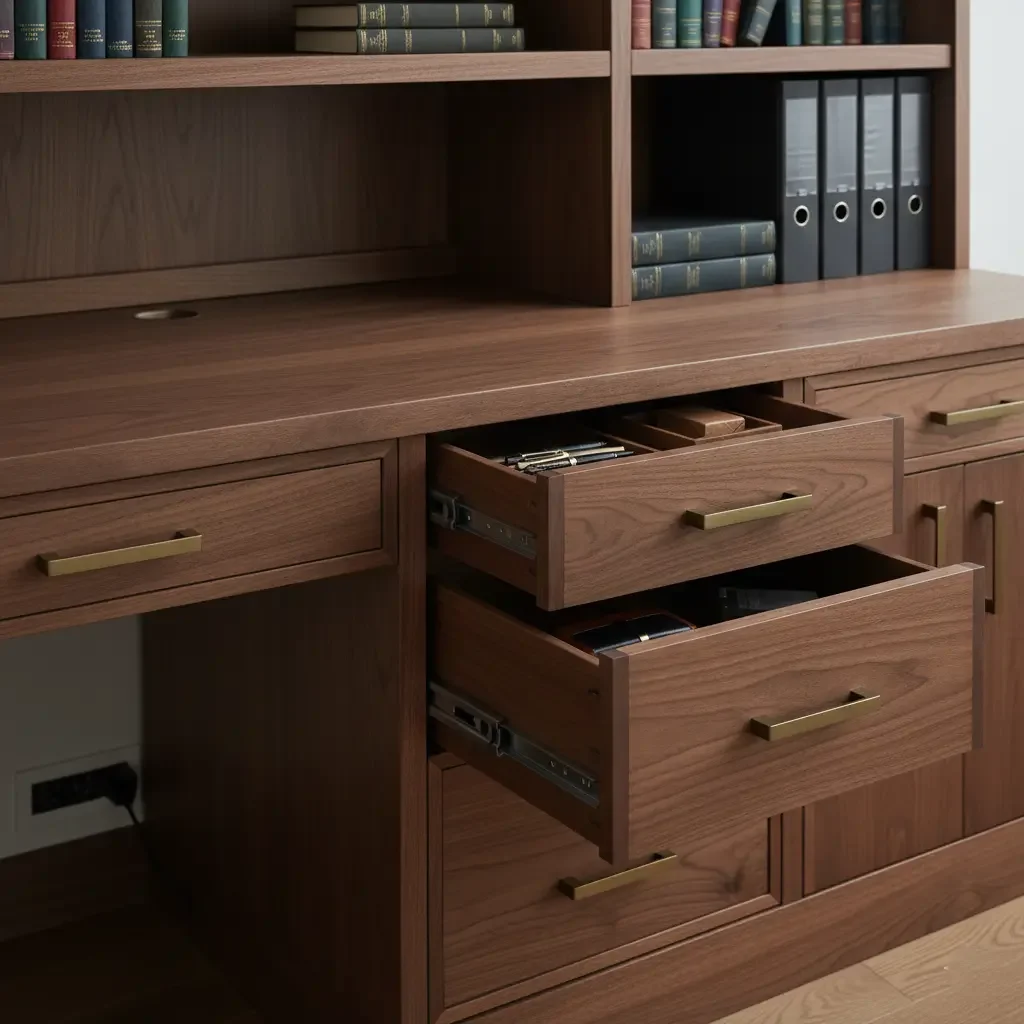
Prefabricated furniture offers convenience and immediate availability but comes with inherent limitations. Standard dimensions may not fit available space precisely, leaving awkward gaps or requiring filler pieces. Configuration options are restricted to what manufacturers offer, which may not align with specific storage or workflow needs.
Advantages of custom furniture include:
Precise fit: Designed exactly for the available space, eliminating gaps and maximizing efficiency
Tailored storage: Compartments sized for actual items rather than generic dimensions
Material quality: Solid wood construction and superior finishes outlast budget alternatives
Long-term adaptability: Can be designed with future needs in mind or modified as requirements change
Enhanced home value: Quality built-ins are often viewed as premium features
Custom furniture also addresses unique challenges such as irregular wall dimensions, sloped ceilings, or integrated technology requirements that standard pieces cannot accommodate.
Custom Home Office Furniture Sets by Knotty Nuff Wood
Knotty Nuff Wood specializes in custom office furniture that balances professional functionality with refined craftsmanship. Each project begins with a thorough consultation to understand work habits, equipment requirements, storage needs, and aesthetic preferences.
Design planning includes precise measurements and consideration of how the office will be used daily. Material selection offers choices in hardwoods, finishes, and hardware that align with both performance goals and visual preferences. Integrated features such as cable management, adjustable shelving, and specialized storage compartments are incorporated based on individual requirements.
Precision fabrication and installation ensure furniture functions as intended and maintains its appearance over time. Whether creating a compact workspace for a Newport Beach home, an executive office in Beverly Hills, or a hybrid workspace in Santa Monica, Knotty Nuff Wood delivers solutions designed for productivity and longevity.
At Knotty Nuff Wood, every home office furniture set is designed to support how you work and how you live.
How to Get Started with a Custom Home Office Design
Planning a custom office begins with assessing work habits and equipment needs. Consider how much desk space is required for computers, monitors, documents, and other tools. Identify storage requirements for files, supplies, books, and personal items.
Style preferences should align with the home's broader design while supporting a professional atmosphere. Traditional offices may feature darker woods and detailed millwork, while modern spaces often favor clean lines and lighter finishes. Transitional designs blend elements of both.
Room constraints such as dimensions, ceiling height, window placement, and existing architectural features influence design possibilities. Professional design guidance helps navigate these factors and identify solutions that maximize space and function.
Planning for future flexibility allows offices to adapt as needs change. Adjustable shelving, modular storage, and desks designed for equipment upgrades help ensure the workspace remains functional as technology or work requirements evolve.
Conclusion
Custom woodwork elevates home office furniture sets through precise fit, superior materials, and thoughtful design. Tailored desks improve comfort and productivity. Purpose-built storage reduces clutter and enhances organization. Cohesive finishes and integrated features create workspaces that support focus and professional presence.
Unlike mass-produced alternatives, custom furniture adapts to individual requirements and delivers long-term value through durability and timeless design. Investing in quality home office furniture creates environments where work feels less burdensome and daily tasks flow more naturally.
Ready to upgrade your home office? Contact Knotty Nuff Wood to design a custom furniture set built for your workspace.